2022-09-09 10:15 Source: Energy Storage Science and Technology Keywords: Heat Storage Energy Storage Technology Energy Storage Materials Favorite Like
Heat storage technology plays an important role in solving the intermittency problem of renewable energy and improving energy utilization efficiency.This paper reviews the research progress of heat storage technology from the aspects of materials, devices, systems, and policy interventions.Aiming at the improvement of the performance of heat storage materials, this paper summarizes the formula research of building composite heat storage materials, the microscopic simulation research of material properties, and related preparation technologies.In addition, with the wide application of high-temperature molten salt heat storage materials in photothermal power generation systems, this paper summarizes their high-temperature corrosion behavior and corrosion protection technology.In terms of heat storage devices, this paper focuses on the enhanced heat transfer methods of plate, packed bed and shell-and-tube heat storage units.In terms of heat storage systems and applications, this paper summarizes the application research based on phase change heat storage and thermal management, thermochemical heat storage, and liquid air energy storage.Finally, the development of heat storage technology is inseparable from appropriate policy intervention, so this paper reports on the relevant policies formulated by different countries for heat storage technology. Sc2O3

(Source of this article: WeChat public account "Energy Storage Science and Technology" ID: esst2012 Authors: Jiang Zhu, Zou Boyang, Cong Lin, Xie Chunping, Li Chuan, Qiao Geng, Zhao Yanqi, Nie Binjian, Zhang Tongtong, Ge Zhiwei, Ma Hongkun, Jin Yi, Li Yongliang, Ding Yulong Unit: 1. Energy Storage Research Center, School of Chemical Engineering, University of Birmingham; 2. Grantham Institute for Climate Change and Environment, London School of Economics and Political Science; 3. Beijing University of Technology, Department of Education for Heat Transfer Enhancement and Process Energy Conservation Key experiments; 4. European Research Institute for Global Energy Interconnection; 5. Institute of Intelligent Flexible Mechatronics, Jiangsu University; 6. Institute of Engineering Thermophysics, Chinese Academy of Sciences; 7. Jiangsu Jinhe Energy Technology Co., Ltd.)
Carbon neutrality has become an important strategy for the world to deal with climate change and promote energy green and low-carbon transformation.According to the report of the United Nations Intergovernmental Panel on Climate Change (IPCC), to achieve the goal of keeping global climate change below 1.5°C, carbon neutrality must be achieved around 2050.At present, more than 120 countries around the world have made commitments to achieve carbon neutrality, as shown in Figure 1.In addition, many countries have passed laws to clarify the goal of carbon neutrality, and have formulated carbon market, carbon technology, carbon taxation and subsidies and other control measures, such as the European Union, Germany, France, the United Kingdom, Sweden and Japan.In addition, the goal of carbon neutrality in many countries is already in the stage of drafting laws and policy documents, such as China, the United States, South Korea, Italy and so on.It is worth noting that Suriname and Bhutan have achieved carbon neutrality in 2014 and 2018 respectively, leading the world.
Figure 1 Carbon neutrality goals of countries around the world
With the consensus on the goal of achieving carbon neutrality in the middle of the 21st century, the world's energy structure has also begun to accelerate towards clean, low-carbon and high-efficiency.Among them, the International Energy Agency IRENA predicted the "2050 Energy Transition Scenario", and proposed major challenges to achieve the goal of carbon neutrality, including: ① The energy intensity of the global economy needs to be reduced by about 2/3; ② Energy-related emissions need to be reduced by 2050 70%; ③In 2050, the proportion of renewable energy power generation needs to increase from the current 26% to 86%.In order to realize the widespread utilization of renewable energy, solve the problem of transient and unstable renewable energy, as well as the mismatch between energy supply and demand, energy storage technology plays a key role.In the past 20 years, the research enthusiasm of various energy storage technologies has also continued to rise (Figure 2), and a large number of energy storage technologies have formed patents.According to the energy storage method, energy storage technology can be divided into chemical energy storage and physical energy storage.Judging from the number of papers and patents published in 2020, battery energy storage technology, heat storage technology and hydrogen energy storage account for an important share, as shown in Figure 2.At the same time, with the development of the energy storage industry, many energy storage technologies have made continuous breakthroughs, and a large number of technologies have achieved large-scale demonstration applications, such as heat storage technology, hydrogen energy storage technology, compressed air energy storage, etc.
Figure 2 The research papers and patents of energy storage technology and the proportion of different energy storage technologies over the years (Scopus search, keyword is energy storage technology)
Heat storage technology can not only achieve large-scale technically and economically, but also has the advantages of high energy density, long life, various utilization methods, and high comprehensive heat utilization efficiency.In addition, the importance of heat storage technology is also reflected in: ① heat and cold energy account for about half of the total energy consumption in the global user terminal demand; ② 90% of the energy in the global energy budget is also based on the conversion, transmission and storage of heat energy ③Constrained by the laws of thermodynamics, heat energy is an important intermediate product and by-product, and there is a large amount of heat energy that can be utilized.In addition, as an important industrial country in my country, the comprehensive efficiency of industrial processes is relatively low, especially in industries such as iron and steel, nonferrous metals, chemicals, and building materials. There are still a large number of waste heat resources that have recovery value.Therefore, aiming at the research progress of heat storage technology in recent years, this paper reviews and looks forward to the important research directions and achievements of heat storage technology from the perspectives of materials, devices, systems, and energy storage policies.
1 Research progress of heat storage materials
1.1 Formula research of heat storage materials
Sensible heat storage technology is mature and easy to operate, and it is still one of the most widely used heat storage methods at present.Sensible heat storage can be divided into solid state and liquid state according to the physical state of the material.Common solid phase change materials include concrete, magnesia bricks, cobblestones, etc.Common liquid sensible heat materials include water, heat transfer oil, liquid metal and molten salt, etc.Where water is used in low temperature applications (120°C).The earliest high-temperature liquid sensible heat storage materials used in solar thermal power generation (CSP) systems are mainly heat transfer oils, including Caloria® and Therminol VP-1®.From 1982 to 1986, the U.S. Department of Energy (DOE) took the lead in building the first CSP power station (Solar One) in California, and used Caloria® heat transfer oil as a sensible heat material; from 1983 to 1991, Luz (LUZ) company built In the 9-seat trough parabolic CSP system (SEGS I~IX), SEGS I also uses Caloria® heat transfer oil.Therminol VP-1® has a wider temperature operating range than Caloria® heat transfer oil, so it has been widely used in the later SEGS II~IX power stations.With the development of solar thermal technology, heat transfer oil is difficult to meet higher operating temperature, which limits the power generation efficiency of Rankine cycle, so it is gradually replaced by molten salt.
Molten salt systems, especially multi-component mixed molten salts, are moderately priced and have low vapor pressure at high temperatures.Mature molten salt systems in CSP applications include Solar salt and Hitec, etc.Among them, Solar salt is a binary eutectic nitrate (60% NaNO3-40% KNO3, mass fraction), its melting point is about 221 ℃, and its high temperature thermal stability can reach 565 ℃. It was once used in the 10 MW Solar Two Power station and Spanish power station.Hitec is a ternary eutectic nitric acid molten salt (53% KNO3-7% NaNO3-40% NaNO2, mass fraction), with a melting point of about 142 °C and good thermal stability at 454 °C.Subsequent Hitec XL molten salt [48% Ca(NO3)2-7% NaNO3-45% KNO3, mass fraction] has also been tested and evaluated by Plataforma Solar de Almeria (PSA) in Spain and Themis Center in France.In recent years, the working temperature of molten salt has been higher, and the high-temperature chloride salt represented by the ternary chloride salt MgCl2-NaCl-KCl (60%-20%-20%, mole fraction) has also become a new Research trends.At the same time, developing a molten salt system with low melting point, low corrosion, good stability, wide operating temperature range, and low price is still an important way to optimize solar thermal power generation technology.
Phase change heat storage has the advantages of high energy density and approximately constant temperature during the phase change process.Currently, the most common are solid-liquid phase change materials.According to the chemical properties of phase change materials, they can be divided into inorganic, organic and composite phase change materials.Inorganic phase change materials include molten salts, hydrated salts, metal alloys, and the like.Among them, hydrated salt is more suitable for medium and low temperature energy storage, but it is prone to supercooling and phase separation problems during phase transition.Metal alloys are more suitable for medium and high temperature energy storage, but they are expensive.Molten salt is economical in price and has high energy storage density.Figure 3 lists the phase change temperature and latent heat of phase change of a single molten salt. It can be seen that a single molten salt covers a wide range of temperature ranges and heat storage densities.However, most inorganic phase change materials are corrosive to some extent, and the details will be introduced in Section 1.4.Organic phase change materials include paraffin, fatty acids, polyols, polyolefins, polypolyols, etc., which are characterized by no obvious phase separation and supercooling (except for organic sugar alcohols), low corrosion, but at the same time have volume heat storage density Small, low thermal conductivity, easy to burn and other issues.
Fig.3 Phase transition temperature and latent heat of phase transition of a single molten salt
In order to overcome the lack of performance of a single material and at the same time encapsulate the material, the overall performance of the material can meet the needs of the application by preparing a composite phase change material.Its preparation method includes gel or thickening, physical blending method, porous adsorption method and microcapsule encapsulation technology, etc.Composite phase change materials can be mainly divided into three categories, thickening (gel) type, capsule type and shaped composite phase change materials, as shown in Figure 4.
Figure 4 Encapsulation methods of different composite phase change materials
Thickened and shaped composite phase change materials are one of the effective methods to improve the stability and supercooling of phase change materials, and are often used in hydrated salts and some low-temperature organic materials.Thickeners can be divided into non-associative/associative thickeners.The non-associative thickening mechanism is through physical entanglement of large molecular weight (hundreds of thousands to millions) polymers, which increases the viscosity of the material and prevents leakage.Solutions often have pseudoplastic rheological properties.Associative thickeners contain both hydrophilic/hydrophobic groups and their molecular weight is relatively low.The hydrophobic functional groups and hydrogen bonds of associative thickeners can form micellar interactions and form a network structure.The stronger the association reaction, the better the thickening effect.
Efimova et al. tested the thickening effect of three thickeners, SiO2, xanthan gum, and methylcellulose, on the ternary phase change material Zn(NO3)2·6H2O-Mn(NO3)2·4H2O-KNO3.The results showed that SiO2 stratified after several cycles. Methyl cellulose could effectively increase the viscosity of the system, but stratification also occurred after cycling. Xanthan gum remained stable and reduced the degree of supercooling after 480 cycles.Liu Xin tested the thickening effect of 12 different thickener systems on sodium sulfate decahydrate.Among them, polyacrylamide series and activated clay series can make the material thick and uniform without delamination after circulation; CMC series and soluble starch series samples are relatively stable, and slightly delaminate after circulation.Saeed et al. used 2-HPEC thickener to add methyl ester-lauric acid-graphene composite phase change materials. The results showed that 2-HPEC made the composite system maintain structural stability and overcome the problem of material leakage.
Capsule-type phase-change materials can overcome the problems of leakage, corrosion, and volume change in applications of phase-change materials, and are currently widely used in textiles, construction, and medical fields.In addition, the capsule-type phase change material has a larger specific surface area, which is conducive to improving the heat storage and release rate of the phase change capsule.Sarı et al. used polystyrene as the capsule shell to encapsulate paraffin phase change materials. The obtained phase change capsules had a melting point of 25.96 °C and a latent heat of 156.39 J/g, and the thermal stability of the encapsulated phase change materials was higher than that of pure phase change materials. 10°C.Fukahori et al. used ceramic containers to encapsulate metal phase change materials. The composite capsule can withstand the volume expansion stress of phase change materials, and exhibits excellent corrosion resistance and cycle performance.Due to the complexity of the preparation process, the technology suitable for high temperature phase change microcapsule encapsulation is relatively limited.Therefore, more research is aimed at the microencapsulation of low temperature phase change materials.
(3) Shaped composite phase change materials
Shaped composite phase change material is a kind of shaped phase change material that can keep the macroscopic shape unchanged during the phase change process by combining phase change material, skeleton material and additives in a certain proportion, and adopting the method of pressing and sintering. And since the phase change material does not directly contact the container, the corrosion problem of the phase change material to metal can be alleviated.
Skeleton materials in shaped composite materials generally have large specific surface area, stable chemical and thermal properties, and are often used in the compounding of medium and high temperature phase change materials.Leng et al. used diatomite and chloride salt to prepare a stereotyped phase change material, in which the mass fraction of the phase change material reached 70%, and the latent heat of phase change reached 179.3 J/g.The shaped composite material can keep the macroscopic shape unchanged during the phase transition process, and can effectively limit the corrosion of chloride salts.Li et al. analyzed the microstructure of the Li2CO3-Na2CO3/MgO composite material. By exploring the relationship between the material structure and the heat transfer performance of the heat storage device, it was found that a good composite material structure can effectively improve the heat transfer performance of the heat storage device. .
The energy storage density of thermochemical heat storage materials (TCMs) is usually 0.5-3 GJ/m3, which is about 8-10 times that of sensible heat materials and more than twice that of latent heat materials, and the long-term storage heat loss is small, so it is considered It is one of the most promising heat storage methods in the future.Thermochemical heat storage materials can be divided into low-temperature and medium-high temperature thermochemical materials according to the temperature range.Among them, low-temperature thermochemical materials are mainly hydrated salts, which are mostly suitable for the construction field.Medium and high temperature thermochemical materials can be divided into metal hydroxide systems, ammonia decomposition systems, and carbonate systems. Problems such as short life span are still in the stage of basic research.However, such thermochemical materials are still considered as potential energy storage media for next-generation CSP systems.
Hydrated salt-based thermochemical materials have been extensively studied.N'Tsoukpoe et al. screened 125 hydrated salt thermochemical heat storage materials, and believed that SrBr2 6H2O, LaCl3 7H2O, and MgSO4 6H2O were the three most potential hydrated salt thermochemical heat storage materials, as shown in Figure 5 .However, most of the hydrated salts cannot be used alone due to insufficient performance.For example, CaCl2 hydrated salt and LiCl hydrated salt are easily deliquescent; MgCl2·6H2O is prone to agglomeration in the process of dehydration-hydration, etc.
Fig.5 Screening process of hydrated salt thermochemical materials
In order to improve the applicability of thermochemical materials, improve the problems of agglomeration and expansion, and increase the diffusion rate of water vapor, researchers prepared composite thermochemical materials by combining hydrated salts with carrier materials.The support materials used can be divided into inert support materials (such as expanded graphite, activated carbon, etc.) and active support materials [such as zeolite, silica gel, metal-organic framework (MOF), etc.].The former improves heat and mass transfer by providing a three-dimensional porous structure, and this type of carrier does not participate in the reaction during the heat storage process.Active carrier materials can participate in energy storage through adsorption and other methods while possessing similar properties, but their contribution to energy storage is much lower than that of thermochemical reactions.Table 1 is a comparison of the advantages and disadvantages of common carrier materials.
Table 1 Carrier substances commonly used in the preparation of composite thermochemical materials
Composite thermochemical materials have shown good stability, such as zeolite 13X/MgCl2, expanded graphite/CaCl2, MOF/SrBr2 and vermiculite/LiCl, etc.The thermochemical properties of several typical hydrated salt-based composites are shown in Table 2.Xu et al. used the impregnation method to composite zeolite and MgCl2. This composite heat storage material can not only use the zeolite carrier to store energy, but also store energy through the thermochemical reaction of MgCl2. The total energy storage density can be as high as 1368 J/g.In addition, compounding with zeolite solves the problem of deliquescent leakage of MgCl2, and the cycle stability after compounding is also improved.Korhammer et al. used expanded graphite and CaCl2 to compound, and the thermal conductivity after compounding was improved by 2 times.Pure SrBr2 has the problem of pulverization during recycling, so D'Ans et al. used MOF materials as the carrier to encapsulate SrBr2 (mass fraction 63%) and formed a composite material with stable cycle performance. The heat storage density of the composite material reached 0.375 Wh/g (233 kWh/m3).LiCl is very easy to absorb water and deliquescence, so Brancato et al. adsorbed it in the porous structure of vermiculite, which can effectively prevent LiCl leakage.Zhang et al. and Miao et al. respectively compounded diatomite, expanded graphite and MgSO4, and the thermochemical materials after compounding had significantly improved mass transfer performance and reaction kinetics.At the same time, the thermal conductivity of composite expanded graphite is increased by 84.8%, and it also shows good structural stability under high pressure conditions.In addition, it is worth mentioning that Palacios et al. first proposed a "three-in-one" concept of thermal energy storage, integrating sensible heat, latent heat, and thermochemical heat storage into a composite material system (Figure 6). Thus, the heat storage performance of the material is maximized, and the total heat storage density can reach 2 GJ/m3.Subsequently, the author also verified the developed HDPE-MgSO4 new three-in-one composite material.
Table 2 Several typical hydrated salt-based composite thermochemical materials
Figure 6 The formulation selection of the composite material system that can be used in the "three-in-one"
1.2 Simulation study of heat storage materials
With the continuous development and deepening of research on heat storage materials, in addition to understanding the macroscopic physical properties of materials, it is of great significance to conduct mechanism research from the perspective of material microscopic molecules to fundamentally understand the characteristics of materials and assist in experimental design.Molecular dynamics research is a common research method for computational simulation at the molecular scale, which can be used for microscopic interpretation of some experimental observations.In recent years, molecular dynamics research has been applied to the microscopic analysis of heat transfer characteristics of heat storage materials.Rao et al. used molecular dynamics simulation to study the heat storage process of phase change nanocapsules and the enhancement of nanoparticles to the heat transfer performance of phase change materials.Zhang et al. studied the effect of long-chain structure in polyethylene on its heat transfer performance, and proposed a theoretical model.Lee et al. studied the agglomeration of nanoparticles in fluids and the enhancement of heat transfer, and proposed a new theoretical model of the influence of temperature and nanoparticle size on fluid properties.Zhang et al. studied the thermophysical properties of paraffin/ethylene-vinyl acetate (EVA)/graphene composites, and found that graphene can significantly enhance the heat transfer capability of the system, but the complex interaction between EVA and graphene May affect the vibrations of atoms in phase change materials.Therefore, when the mass fraction of graphene is greater than 0.7%, the thermal conductivity of the system will show a downward trend.
In addition, the specific heat enhancement effect of adding nanoparticles to molten salt has been reported in many experiments, and there are many speculations about its enhancement mechanism, but a unified theoretical explanation has not yet been formed.To this end, the researchers explored the theoretical mechanism of this phenomenon by means of molecular dynamics simulations.Qiao et al. used a combination of experiments and molecular dynamics to study the phenomenon of the specific heat capacity of nitrate in mixed silica nanoparticles, and observed that the Coulomb force on the surface of nanoparticles attracted cations to cause salt ions around the nanoparticles. The rearrangement and delamination phenomenon of , as shown in Figure 7.Based on this, the author explores the mechanism of this phenomenon for the first time, and puts forward a new theoretical explanation based on the existing theoretical basis.Anagnostopoulos et al. observed a similar phenomenon in mixed molten salt (solar salt), and further supplemented and explained the theory.Rizvi et al. observed the stratification of salt ions on the surface of nanoparticles in molecular dynamics studies and proposed that nanoparticles have a strong ability to attract ions with higher zeta potential in molten salt, which leads to the stratification of the system.This microscopic layering phenomenon affects the morphology of the molten salt when it crystallizes, and enhances the specific heat capacity of the molten salt.
Figure 7 Nanoparticles cause the rearrangement of salt ions
The heat storage process of thermochemical heat storage materials is closely related to the kinetics of thermochemical reactions.Some researchers have used the method of simulation research to theoretically analyze the reaction process of thermochemical materials from the microscopic point of view of molecules (atoms).Carrasco et al. analyzed the binding mechanism of CaO, MgO and BaO oxide surfaces with water molecules through first-principles and molecular dynamics calculations.The study found that the binding of CaO to the surface of BaO and water molecules is different from that of MgO.The binding of water molecules on the surface of MgO does not change its structural properties, and is an endothermic process that does not occur at room temperature.On the contrary, CaO and BaO are strongly basic, and their hydrolysis process is an exothermic reaction that can occur at room temperature.Yan Jun used density functional theory (DFT) and first principles to simulate and analyze the microscopic reaction process of Li atom doped CaO/Ca(OH)2 heat storage system.The study found that Li doping can reduce the energy barrier from 0.40 eV to 0.11 eV, which makes the OH-bond easier to break and promotes the thermal decomposition reaction of Ca(OH)2.Xu et al. used molecular dynamics to theoretically analyze the molecular aggregation process in the CaO/Ca(OH)2 heat storage system.Through simulation studies, it is found that Ca(OH)2 molecules have greater spatial displacement, so they are more likely to agglomerate than CaO molecules.The thermal decomposition rate of the agglomerated Ca(OH)2 blocks is significantly reduced, resulting in a decrease in the cycle stability of the CaO/Ca(OH)2 system.In addition, doping SiO2 particles can prevent the occurrence of agglomeration process.Rindt and Gaastra-Nedea reviewed the microscopic analysis methods of thermochemical water absorption/dehydration reaction process, including density functional theory, molecular dynamics and Monte-Carlo methods.The author believes that the current microscopic analysis method is limited by the time step and scale, so it is difficult to simulate the thermochemical reaction process above the particle level. In the future, quantum chemistry, molecular dynamics and Monte-Carlo statistical methods will be innovatively combined Might be a potential analytical method.
1.3 Research progress in preparation technology of heat storage materials
In addition to the formulation research of composite heat storage materials, the preparation technology of advanced composite heat storage materials (mainly referring to phase change heat storage and thermochemical heat storage materials) is also a necessary condition for the development and promotion of heat storage technology.Although some companies are currently selling some phase change material products in the market, for example, Rubitherm GmbH, TEAP Energy, PCM Products, and phase change microcapsules produced by BASF and Microtek, etc., the phase change material products sold by these companies are mainly Chinese Low temperature (<164 ℃) phase change materials or encapsulated phase change material products are mainly applied in building energy saving.Domestic Jiangsu Jinhe Energy Company focuses on the R&D and application of composite phase change heat storage/cold materials, and has taken the lead in realizing the industrial production and scale demonstration of medium and high temperature shaped phase change materials.
Based on the above introduction to various heat storage materials, here is a brief overview of the progress in the preparation technology of phase change heat storage and thermochemical heat storage materials, especially composite heat storage materials.According to different preparation methods, the preparation technologies can be mainly divided into microcapsule encapsulation method, impregnation adsorption method, direct mixing sintering/casting method, and extrusion molding method. The characteristics and development status of these preparation methods are shown in Figure 8.Among them, the preparation of composite phase change microcapsules was developed earlier, and there are some relatively mature preparation methods, but the output is not high, and its price is relatively expensive.The preparation of shaped composite phase change heat storage materials by the direct mixing and sintering method is simple and cost-effective, and large-scale demonstration research has been completed. For example, the single heat storage power of heat storage technology demonstrations in Qinghai and other places has reached 10 MW.Compared with the development of composite phase change heat storage materials, the preparation of composite thermochemical heat storage materials is relatively late.At present, the direct mixing method and the impregnation and adsorption method are mostly used, and the researches on the capsule coating method and the extrusion method are relatively few. In addition, there are no related products for sale on the market.
Figure 8 Preparation methods and development status of composite heat storage materials
In the large-scale preparation, the direct mixing and sintering method is used as an example to prepare the shaped composite phase change heat storage material, and its main process is shown in Figure 9.Based on the above process, a fully automated large-scale production line for heat storage materials can be established, as shown in Figure 10(a).This production line can produce nearly 10,000 tons of composite phase change heat storage materials per year, and the actual product is shown in Figure 10(b).Since the purity of raw materials, pressing size, molding pressure and sintering conditions under large-scale production are different from those of laboratory-scale samples, it is necessary to compare and analyze the parameters of large-scale products, so as to understand the large-scale process flow. assessment of reasonableness.Table 3 shows the main performance comparison between laboratory samples and large-scale samples of composite phase change heat storage materials with a phase transition temperature of 500 °C. smaller.In addition, the pass rate of large-scale products, the uniformity of samples, and the surface integrity are all important indicators to measure the rationality of large-scale production processes.
Figure 9 The mixed sintering scale preparation process of composite phase change materials
Figure 10 Composite phase change heat storage material production line and photos of finished products (photo source: Jinhe Energy Company)
Table 3 Comparison of parameter differences between laboratory samples and large-scale samples (data from Jiangsu Jinhe Energy Company)
1.4 Application corrosion of heat storage materials
The annual economic losses caused by corrosion in my country account for about 3% to 4% of the GDP.For large-scale heat storage applications, the corrosion of containers and pipes with the heat storage medium is a key factor determining system life, economic cost and operational safety.Table 4 lists the application suggestions corresponding to different corrosion rates, and the service life should be predicted according to the selected metal during design.
Depending on the nature and state of heat storage materials, and the differences in the use environment, the corrosion conditions are also different.This paper introduces the corrosion of low temperature and high temperature heat storage materials according to the different application temperatures.Among the low-temperature heat storage materials, it is generally believed that the hydrated salt phase change materials are relatively corrosive.This is mainly due to the fact that the hydrated salt has a high ion concentration when it changes to a liquid state and has good electrical conductivity, thus promoting the occurrence of electrochemical corrosion.Moreno et al. selected 11 phase change materials with phase change temperature ranges of 10-15 °C and 45.5-48.5 °C for heat storage/cooling systems applied to heat pumps, including 4 commercial inorganic salt phase change materials (PCM Products The company's S46 and S10, Climator's C48 and C10), through the analysis of the compatibility of phase change materials and different metals, put forward suggestions for the selection of metal wall materials, the results are shown in Table 5.It can be seen that stainless steel 316 has relatively good corrosion resistance to almost all hydrated salts.The performance of carbon steel is average, and it only has good corrosion resistance to C48 and K3PO4·7H2O.In addition, the metals aluminum and copper have good compatibility with only a few inorganic salts.
Table 5 Compatibility of low temperature phase change materials with different metals
Note: × is not recommended; √ is recommended; ◊ is used with caution; Δ is not recommended for long-term use
High-temperature heat storage materials are mainly metals and molten salts.Among them, a large number of ionic melts composed of cations and anions are generated when the molten salt phase changes into a molten state, which has very good conductivity, which can be 1 order of magnitude or more higher than that of general electrolyte solutions.In addition, due to the accelerating effect of the high temperature application environment (usually between 100 and 1000 °C), the corrosiveness of high temperature molten salts is generally much more significant than that of low temperature hydrated salts.For metal phase change materials, they all have relatively active chemical properties after being transformed into liquid metals at high temperatures, especially liquid aluminum, which can form alloys with low melting points with most metals, so almost all conventional metal materials They are not resistant to the corrosion of molten aluminum at 700-900 ℃.
In the application of photothermal power generation systems, stainless steel and carbon steel are the most commonly used metal materials for holding and transporting high-temperature molten salt.Due to its lower cost, carbon steel is often used to build facilities with lower temperature and less corrosion problems, such as low-temperature molten salt tanks.Stainless steel can be used in high-temperature occasions, such as heat sinks, high-temperature tanks, etc.Palacios et al. studied the static corrosion behavior of carbon steel (AISI 1045), stainless steel (304L, 316L) and nickel alloy (Inconel 600) and binary nitrate (NaNO3-KNO3) at 500 °C, see Figure 11.After 2160 h of corrosion research, it is considered that the corrosion resistance of these metals is as follows: nickel alloy Inconel 600 (0.29 μm/a)>304L (0.67 μm/a)>316L (6.58 μm/a)>AISI 1045 (69.81 μm/a).In addition, the author conducted an economic analysis combining the corrosion loss rate of various metals and the cost of the material itself, and believed that in the long run, stainless steel 304L and 316 have better economics.Some researchers have carried out dynamic corrosion tests in order to simulate the corrosion problems in the molten salt flow process in practical applications.García-Martín et al. designed a dynamic corrosion research device and applied for a patent (Patent No. ES2534850B2).In order to simulate the flow scenarios (0.2-0.5 m/s) of the elbows and valves of the CSP photothermal power generation system, the researchers made the NaNO3-KNO3 binary salt pass through the surface of the metal A516 in parallel at a flow rate of 0.2 m/s.Comparing the corrosion results of the static test, it was found that the corrosion rate of the dynamic corrosion increased by about 50%.It can be seen that corrosion problems in practical applications should be more cautious.
Fig.11 Appearance of metal corroded in 500 ℃ solar salt
Chloride salts are used at higher temperatures than nitrates and are more corrosive.As the next generation of CSP photothermal power generation systems need chloride salts with higher operating temperatures as heat transfer media, choosing suitable metals to deal with highly corrosive chloride salts has also become a technical bottleneck.Therefore, the applicable corrosion protection technology has also become a research hotspot.Corrosion protection methods generally include the following: ①Anode sacrificial method, such as the use of zinc and cadmium to reduce the corrosion of inorganic salts on copper and aluminum.② Adding a corrosion retarder, such as Ding et al. found that adding metal Mg elemental substance to the ternary chloride salt MgCl2-NaCl-KCl (60%-20%-20%, mole fraction) can effectively inhibit the occurrence of corrosion reaction.③ Use anti-corrosion coatings to prevent damage to the metal substrate, such as plating graphite, ceramics, metal, etc. on the metal surface.Grosu et al. found that carbon spraying treatment on the metal surface can effectively reduce the corrosion of carbon steel by nitrate and carbonate (Figure 12).Encinas-Sánchez et al. found that P91 steel treated with ZrO2-Y2O3 can achieve the corrosion resistance of 304 stainless steel.Sidhu et al. used a high-speed oxygen-fuel hot-dip method to plate a 250-300 μm NiCrBSi anti-corrosion coating on the Ni-Fe alloy, which can effectively withstand the corrosion of 900 ℃ Na2SO4-60% V2O5.④Material pretreatment, such as drying molten salt in advance, or polishing the metal surface.Both Groll et al. and Grosu et al. found that a small amount of moisture (2% mass fraction) in molten salt would significantly intensify the degree of corrosion, and its influence exceeded that of impurities in molten salt.In addition, Grosu et al. found that polishing the metal surface can remove the locally oxidized surface and avoid some corrosion reactions.
Figure 12(a) and (b) are the pictures of carbonate after corrosion of uncarburized and carbonized metal SS347 at 600 ℃ for 600 h; (c) and (d) are the pictures of uncarburized and carburized metal SS347 at 600 ℃ The picture after 600 h corrosion in the carbonate
2 Simulation and heat transfer enhancement of heat storage device
2.1 Phase change heat transfer process and numerical solution method
By analyzing and studying the phase change process of the phase change material in the device, the temperature distribution in the device can be obtained, the influence of physical properties and boundary conditions on the heat storage and release process can be understood, and the law of the two-phase interface movement can be mastered, thereby helping to design the heat storage device, such as The total amount of heat storage medium required, the time of phase change process and other parameters.The heat transfer process in a phase change heat storage device usually includes the following aspects: ① the movement of the solid-liquid two-phase interface, latent heat release, and nonlinearity; Heat conduction in phase and liquid phase; ④ Flow of liquid phase change materials (natural convection, Marangoni convection, phase change flow); ⑤ Heat conduction and convective heat transfer in liquid phase change materials; ⑥ Radiation and evaporation and condensation through holes heat exchange etc.Numerical solutions are the only feasible means for analyzing such complex situations and multidimensional phase transition problems.
The numerical solutions of phase change heat transfer problems can be divided into two categories: one is interface tracking method or strong numerical solution, including fixed step method, variable space step method, variable time step method, independent variable transformation method, paste Body coordinate method and isothermal surface movement method, etc.The other is the fixed grid method or weak numerical solution method, which does not need to track the position of the solid-liquid two-phase interface, and solves the solution area containing different phase states as a whole, including the equivalent specific heat capacity method and the enthalpy method.The first type of method is mostly used to deal with the phase change heat transfer problem on the one-dimensional level, while the second type of method is mostly used when dealing with more complex multi-dimensional interface movement.The equivalent specific heat capacity method and enthalpy method for solving the phase change heat transfer problem as a whole are introduced below.
(1) Equivalent specific heat capacity method (apparent specific heat capacity method)
The equivalent specific heat capacity method is also called the sensible specific heat capacity method, which regards the latent heat of phase change of a substance as having a large sensible specific heat capacity in a small temperature range, thus transforming the phase change problem described by partitions into non- Linear heat conduction problem, to achieve the purpose of overall solution.During the movement of the phase change interface with time, a large amount of latent heat energy will be absorbed or released as the material transitions between solid and liquid phases, and the specific heat capacity of the material itself will also change with the phase change.In the process of taking temperature as the parameter to be obtained, in order to simplify the problem reasonably, the following assumptions are often made: ① The physical parameters of the phase change material are constant, that is, the change of the parameter value of the material in the solid phase and the liquid phase It can be ignored; ②The effect of natural convective heat transfer of materials in the liquid state during the phase change process is negligible; ③The thermophysical properties of pure phase change materials are isotropic; ④There is no other heat energy generated or generated in the phase change material area. There is no heat exchange.
The disadvantage of the equivalent specific heat capacity method is that when the phase transition temperature is very narrow, if the time step is slightly larger, the calculation process will cross the phase transition region, resulting in the neglect of the phase transition latent heat, resulting in distortion of the calculation results.For the phase transition process that occurs at a single temperature, its disadvantages are even more prominent.
The enthalpy method uses heat enthalpy and temperature together as the function to be sought, establishes a unified energy equation in the entire region, uses numerical methods to obtain the enthalpy distribution, and then determines the two-phase interface.Therefore, there is no need to track the interface, and the solid and liquid are treated separately, so it is more suitable for multi-dimensional situations. Mathematically, it has been proved that the basic equation of the enthalpy method model is equivalent to the common equation describing the phase transition problem.
The enthalpy function is defined as the sum of sensible heat specific heat capacity and latent heat of phase change, which is a function of temperature and can be expressed as:
Therefore, the relationship between temperature and enthalpy in the heat storage process can be expressed as:
Among them, Cp=(Cl+Cs)/2 is the equivalent specific heat capacity of the material in the phase change region; ε=(Tl-Ts)/2 is half of the phase change temperature range, also called the phase change radius; Hs=Cs( Tm-ε) is the saturation specific enthalpy of the solid state; Hl=Cl(Tm+ε) is the saturation specific enthalpy of the liquid state; L is the latent heat of phase change; f1 is the liquid phase ratio.
Compared with the apparent specific heat capacity method, the enthalpy method has the advantages of simple method, flexibility and convenience, and is easy to expand to multi-dimensional situations. It can solve phase change problems with complex boundary conditions, non-monotone, and multiple interfaces, and has become a current method for solving phase change interface problems. effective means.
2.2 Progress in research and performance optimization of phase change heat storage devices
Designing an efficient and compact heat storage and exchange device is one of the keys to improving the heat storage and release rate.Generally speaking, a complete set of phase change heat storage and exchange device is mainly composed of three parts, namely phase change material, container wrapped with phase change material and heat transfer interface.At present, the most widely used heat storage and exchange devices in academia and industry at home and abroad mainly include packed bed, shell and tube and plate heat storage devices, and their structures are shown in Figure 13.
Figure 13 Different types of phase change heat storage and exchange devices
The packed bed heat storage device has the advantages of simple structure, large heat exchange area and high heat exchange efficiency.However, limited by the complex internal turbulence and strong nonlinear phase transition process characteristics, it becomes more difficult to study its heat storage and release process.Yang et al. studied a multi-layer packed bed regenerator with solar energy as the heat source (the phase transition temperatures are 40 °C, 50 °C, and 60 °C, respectively).By comparing with the traditional single-type packed bed, the researchers found that the phase change material in the multi-layer packed bed melted much earlier than the single-type system, and the outlet water temperature was also higher than that of the single-type packed bed.In order to improve the heat storage performance of the packed bed of phase change heat storage balls, Jin Bo et al. proposed a double-layer packed bed with reduced ball diameter along the flow direction. The research found that after adopting the structure of double-layer variable ball diameter packed bed, the phase change balls in the lower layer The heat transfer effect has been significantly improved, and the temperature uniformity of the packed bed has also been improved.
The shell-and-tube structure is another heat storage and exchange device widely used in industry.At present, the research on the performance of the shell-and-tube heat storage device mainly focuses on the investigation of the parameters of the heat transfer fluid and the optimization of the structural design.Adding fins and eccentric inner tubes are common ways to enhance heat transfer.Figure 14 sorts out the different structural fins added by different scholars for heat transfer enhancement research.Wang et al. studied the effect of adding annular fins in the casing-type phase change unit and the height, ratio, and angle between adjacent fins on the melting process.In addition, some scholars have used topology optimization to optimize the finned structure, and then used 3D printing technology to manufacture it.It is worth mentioning that the topology optimization method considers the heat storage process and the heat release process separately. How to couple and optimize the heat storage and heat release process will be one of the future research directions.
Figure 14 Fin heat transfer enhancement technology applied to shell-and-tube heat storage device
Compared with other types of structures, the plate heat storage and exchange device has the advantages of high heat transfer coefficient, compact structure and small heat loss, but there are also problems such as poor sealing, easy blockage, and difficult cleaning.In order to enhance its heat transfer efficiency, plates with different structural shapes have been studied and investigated.See Table 6, commonly used herringbone andante board, horizontal straight corrugated board and zigzag board etc.Taking the corrugated heat transfer plate heat storage device as an example, the heat transfer flow channel is covered with mesh contacts, and the heat transfer fluid flows along the narrow and curved labyrinth-like passage between the plates, and its speed and direction are constantly changing, forming Strong turbulent flow, which destroys the boundary layer and effectively enhances heat transfer.
Table 6 Effect of different plate types on the performance of plate heat storage and exchange devices
Note: ①Compare under the same box volume (0.6 m × 0.93 m × 0.076 m).
The heat storage and release performance of the heat storage and exchange device is determined by two factors. One is the structure of the device itself, which mainly depends on the heat exchange area between the heat transfer fluid and the phase change material; the other is the thermophysical properties of the phase change material itself.Therefore, the optimization of heat storage and release efficiency is also carried out around these two points.The optimization technology of several heat storage and exchange devices currently used (packed bed type, shell and tube type, and plate type) is relatively mature, but the increased manufacturing cost due to overly complex structural design must also be considered.In addition, the high interfacial thermal resistance caused by the inherent properties of phase change materials (low thermal conductivity and low compatibility with packaging materials) is an important research content to break through the performance improvement of phase change heat storage devices.Research and development of heat storage units and devices based on composite phase change materials, and the establishment of a dynamic relationship from device to material performance (Figure 15), so as to achieve rapid controllability at the device level, will be an important direction for the development of heat storage devices.
Figure 15 Design of heat storage and exchange devices based on modular composite phase change materials and the dynamic relationship between construction devices and materials
3 Heat storage system and application
Thermal energy storage technology can be used for peak shaving and valley filling, overcoming the volatility of new energy sources, thermal management, and inter-seasonal storage, etc.According to the forecast of the International Renewable Energy Agency, the installed capacity of thermal energy (cold and thermal) storage will triple in 2030 (800 GWh) to the scale of 2019 (234 GWh). The increase in the installed capacity of thermal energy storage will strengthen the global energy infrastructure.Depending on the working range, thermal energy storage technologies can be classified into sub-zero (500°C).Different types of energy storage methods such as sensible heat storage, phase change heat storage, thermochemical heat storage, and mechanical-thermal energy storage and different types of heat storage materials also have their own operating temperature ranges, as shown in Figure 16.The following will focus on the introduction of the systems and applications of phase change heat storage, thermochemical heat storage and mechanical-thermal energy storage.
Figure 16 Main Technology Types of Thermal Energy Storage
3.1 Phase change energy storage and thermal management system
Phase change heat storage has been widely used in the field of thermal management due to the heat storage process at approximately constant temperature, such as data room, electric/fuel vehicles, building temperature control, cold chain, and spacecraft, etc., as shown in Figure 17.
Figure 17 Main thermal management technologies coupled with thermal energy storage technologies
In 2021, communication base stations and data centers will account for 4% and 3% of the world's total energy consumption, respectively, while the power consumption of conventional thermal management systems will account for about 17.5% and 38% of the electricity consumption of communication base stations and data centers, respectively.The thermal management system based on phase-change energy storage can effectively deal with emergency out-of-control situations, avoid damage to important components, and can regulate peak and valley power at the same time.studied the energy consumption of a data center with a usable area of 500 m2 and a cooling load of 1278 kW.The results show that the use of air-cooled compression refrigeration units equipped with heat storage technology in Barcelona can reduce electricity consumption by 51%.
The application of phase change energy storage technology in the cold chain mainly includes trains, automobile container transportation, and household and commercial refrigerators.A "mobile cold storage" based on phase change energy storage technology jointly developed by CRRC Shijiazhuang and the University of Birmingham was recently reported (Figure 18).This phase-change cold storage can keep the temperature in the box at 5-12 °C for 140 h or longer, and the required cooling time does not exceed 2 h.At present, this mobile cold storage has spanned multiple regions, realizing 35,000 km of road operation and 1,000 km of railway operation.Liu et al calculated the operating cost of a full-size cold room (3.4 m × 2.2 m × 2.2 m) using phase change energy storage.The results show that, under the premise of maintaining -18 ℃, the cost can be reduced by 86.4% compared with traditional diesel refrigeration.Nie et al. combined phase-change energy storage with an air-conditioning system to reduce indoor temperature fluctuations by 2 °C.In addition, compared with ordinary 1.5-horsepower air conditioners, the number of compressor starts and stops is reduced by 27%, the comprehensive COP of air conditioners is increased by 19%, and the cost of electricity is reduced by 17%, and the cost recovery period is only 1.83 years.In addition, phase change energy storage and thermal management technologies are also widely used in the fields of electric vehicles, aerospace, and textiles, so we will not report them one by one here.
Figure 18 "Mobile cold storage" based on phase change energy storage
At present, thermochemical heat storage technology is mainly used in heating and cooling.Cuypers et al. reported a seasonal thermochemical storage system for residences and offices with high output power (0.60 kW/kg material) and fast reaction response time (about 5 min).Hongois et al. developed a thermochemical heat storage system based on magnesium sulfate.Studies have shown that the energy storage density of the system can reach 0.18 Wh/g (166 kWh/m3), which is more than twice the energy storage density per unit volume compared to the hot water sensible heat energy storage system.Ahmad et al. designed single-stage and double-stage thermochemical adsorption systems to meet the needs of heating and cooling at the same time, as shown in Figure 19.When the inlet temperature is ±30 ℃, the outlet temperature of the single-stage system can be reduced by 18-20 ℃, while the outlet temperature of the two-stage system can reach 5 ℃.In addition, the COP of the system can reach 1-7.3 when the inlet temperature is 29-37 ℃ and the humidity is 30%-60% RH.
Figure 19 Thermochemical adsorption system (left) and inlet and outlet temperatures (right)
The combination of thermochemical systems and new energy sources, especially solar energy, is also an important research hotspot.The PROMES laboratory installed a solar air conditioning test device based on the BaCl2/NH3 working pair.The installation is heated by a 20 m2 flat panel solar collector and is capable of achieving a daily cooling capacity of 20 kWh.After 2 years of experimental operation, the annual average efficiency and system COP of solar collectors are 0.4-0.5 and 0.3-0.4 respectively.Aydin et al proposed a solar thermal chemical adsorption tubular reactor, the adsorption material is vermiculite-calcium chloride composite material.The three adsorption tubes of the system can provide an average temperature rise of 24.1 ℃ within 20 hours, and the average power output can reach 730 W. The total energy storage capacity and energy storage density of the system are 25.5 kWh and 290 kWh/m3, respectively.In addition to the above introduction, there are more typical applications based on thermal chemical adsorption heat storage, see Table 7.
3.3 Liquid air energy storage system
The liquid air energy storage system is a large-scale energy storage system that uses liquid air or nitrogen as the energy storage medium. It can provide services such as peak shaving and valley filling, frequency regulation, and black start for the power grid.In 1977, Newcastle University first proposed the use of liquid air as an energy storage medium to provide peak-shaving services for the grid.Subsequently, Mitsubishi Heavy Industries and Hitachi began further research on this.However, a major advancement and turning point in this technology occurred in 2005: the University of Leeds and Highview Power began a collaborative research on liquid air energy storage technology.From 2009 to 2012, the cooperation ushered in the establishment of the world's first liquid air energy storage pilot plant (350 kW/2.5 MWh).In 2012, Gaozhan donated the pilot plant to the University of Birmingham, UK for further academic research, as shown in Figure 20(a).In addition, Gaozhan completed the construction of a trial commercial liquid air energy storage power station (5 MW/15 MWh) in Manchester, UK in 2018, as shown in Figure 20(b), and announced the world's first commercial-grade power station in 2019. The liquid air energy storage power station (50 MW/250 MWh) will be completed in the north of England in 2022.
Figure 20 Liquid air energy storage demonstration plant
The working principle of the liquid air energy storage system is shown in Figure 21.In a liquid air energy storage system without heat and cold storage devices, the cycle efficiency of the system is about 27%.After adding the cold/heat cycle, the cycle efficiency of the system can be increased to more than 50%.Among them, the storage of low-temperature cold energy has the most significant impact on system efficiency. Studies have shown that when the storage exergy efficiency of low-temperature cold energy and compression heat decreases by 30%, the cycle efficiency of the system will decrease by 28% and 8%, respectively.In the current liquid air energy storage system, the storage medium for low-temperature cold energy (-196 ℃) is mainly rock (packed bed), methanol, propane, R218, etc.However, when the rock-packed bed is used as a cold storage medium, part of the stored cold energy cannot be fully utilized, resulting in a decrease in the overall efficiency of the system.Propane and methanol (heat transfer medium and cold storage medium) have therefore become research hotspots for low-temperature cold energy storage, and two-stage cold storage configurations are often used in research: propane and methanol are used for low-temperature section (about -185 ℃) and Cold storage in the middle and low temperature range (about -75 ℃).This cold storage method can effectively avoid the problem of incomplete extraction of cold energy from the packed bed, but due to the high cost and certain safety hazards, it is still in the theoretical research stage.
Figure 21 Principle of liquid air energy storage system
4 Relevant policy and economic analysis of heat storage technology
4.1 Status Quo and Related Policies of the Global Heat Storage Technology Market
According to the 2020 report of the International Renewable Energy Agency (IRENA), as of the end of 2019, the installed capacity of heat storage technology worldwide is about 234 GWh, and the application scenarios are mainly concentrated in three sectors: cooling, heating and electricity, see Table 8.However, due to differences in climatic conditions and energy structures in various countries, the development of heat storage technology is also very different.
Table 8 Application Status of Global Heat Storage Technology
Currently, the vast majority (85%) of heat storage technologies worldwide are used in district heating systems and building heating.Sensible heat storage is by far the most mature and widely used type of heat storage technology, especially water tank heat storage.At present, the application of sensible heat heating technology is mainly concentrated in Europe.Taking the United Kingdom as an example, as of 2016, approximately 1.8 million thermal storage electric heaters (solid-state heat storage) and 11 million hot water storage tank heating systems (capacity over 50 L) were installed in British households.In the field of district heating, dozens of water tank heat storage projects have been installed, and the volume of the tank is usually between several hundred to several thousand cubic meters.Other types of heat storage technologies, such as underground heat storage projects (including heat storage in thermal wells, heat storage in boreholes, and heat storage in aquifers), have very few market applications.Since heating accounts for more than 35% of the UK's final energy consumption, the UK government has also provided a number of support programs at the policy level to achieve carbon neutrality.For example, the domestic renewable heat incentive (RHI) incentive scheme, implemented since 2011, financially incentivizes residents to adopt low-carbon heating technologies, including biomass boilers, solar heating and heat pumps.At the same time, it has also funded a number of heating system demonstration projects to encourage low-carbon innovations in district heating models.In addition, the UK has invested a large amount of public funds to support energy storage technologies including heat storage, and through policy and market mechanism reforms, on the one hand, it has established the asset class attributes of energy storage and removed obstacles for the large-scale application of energy storage. Actively explore the innovation of business models in the electricity market, develop and improve the auxiliary service market, and create conditions for the commercial application of energy storage.
In addition, most of the installed capacity of large-scale heat storage technology facilities in the world mainly comes from district heating systems in Northern Europe (especially Denmark, Germany and Sweden).Among them, solar district heating (SDH) systems play an important role in the energy transition in the European heating sector.Denmark leads the world in installed capacity and capacity of solar district heating systems, with more than 70% of large solar district heating plants built in Denmark.Thermal well storage and borehole storage are the two most common inter-seasonal underground heat storage technologies in Danish solar heating plants.Due to the extensive use of underground heat storage technology, the installed capacity of district heating energy storage in EU countries such as Denmark, Germany and Sweden currently accounts for more than 60% of the world.The Danish energy policy is characterized by focusing on the overall planning of the energy system, giving full play to the synergy between the tax policy of renewable energy and the auxiliary policy framework, such as tax relief, feed-in tariff subsidy policy and investment subsidies, etc., and through combined heat and power and A number of measures, such as the extensive application of heat storage technology, make the best possible use of local renewable energy, waste heat and waste heat.
The United Nations Intergovernmental Panel on Climate Change (IPCC) predicts that global cooling demand will increase significantly from 300 TWh in 2000 to 10,000 TWh in 2100, accounting for about half of the total global electricity demand at that time.In cold storage applications, ice cold storage has been successfully commercialized, while phase change cold storage is still mostly researched on a laboratory scale.From a global perspective, most of the cold storage projects are currently located in the United States, and a few large-scale projects are located in countries with higher temperatures, such as Qatar and Jordan.As of 2017, nearly 100 MW of ice thermal storage systems have been deployed in the United States, the vast majority of which are located in New York and Pennsylvania.The United States' support policies for the energy storage industry are characterized by wide coverage and forward-looking layout. Maintain U.S. leadership in energy storage.In March 2021, the U.S. Department of Energy announced that it will invest $75 million to build a national energy storage technology research and development center (Grid Storage Launchpad, GSL), with research directions focused on heat storage and electricity storage.In addition to strategic planning at the national level, states have also formulated various policies to encourage energy storage, covering fiscal and taxation policies, market environment, and regulatory mechanisms.
With more and more countries around the world committing to zero carbon emissions, the low-carbon transformation of the power sector and the continuous improvement of electrification have become the current development trend.Among them, molten salt heat storage has also become the main heat storage technology applied in the power sector with the development of concentrated solar thermal power plants (CSP), and the current installed capacity has exceeded 21 GWh.Molten salt heat storage has been widely put into operation in countries all over the world, and Spain is in the leading position in the world.As of 2019, the regions with the highest installed capacity of molten salt heat storage are Spain (6.9 GWh), South Africa (4.1 GWh), the United States (4.0 GWh) and China (2.3 GWh).
4.2 Cost and economy of common heat storage technologies
Evaluating whether heat storage technology can be marketed depends on many factors, among which cost is a key consideration.In addition to cost, the economic viability of various heat storage technologies depends largely on the specific application and operational requirements, including storage period and frequency, etc.For all types of heat storage technologies, the unit investment cost shows a gradually decreasing trend with the increase of system scale.
For sensible heat storage technology, related components and installation costs account for a higher proportion of the total cost than the heat storage material itself.In the application of water tank heat storage, the cost of many small water tank heat storage projects in the UK varies greatly, ranging from 26 to 183 £/kWh, or 925 to 2700 £/m3, while large water tanks can be used for cross-seasonal heat storage. The cost of tank heat storage projects may be as low as 1 £/kWh, or 91-114 £/m3.Because thermal well heat storage technology is usually used for large-scale cross-seasonal heat storage, its cost is significantly lower than that of water tank heat storage. The cost of thermal well heat storage in Germany is between 0.4-1 €/kWh, or 30-148 €/m3 .Borehole heat storage also has a very low unit cost, which can be as low as 0.4 €/kWh or 14-60 €/m3.In addition, the high-temperature molten salt heat storage technology applied to CSP systems is still in the initial stage of commercialization.The current investment cost of molten salt heat storage is 26.1-40 $/kWh.As the storage capacity continues to increase, the unit cost will also drop significantly, tending to be 31 $/kWh.
Phase change and thermochemical heat storage drive up the overall cost of the system due to more expensive material costs.In addition, although the cost will be reduced with the increase of scale, the scale effect is not as obvious as that of sensible heat storage.The cost of phase change heat storage technology reported by IRENA is between 58 and 230 $/kWh.In the UK, the phase change heat storage technology has not yet fully entered the commercial stage, and its manufacturers' quotations are as high as 250-350 £/kWh.From the cost data of major Chinese phase change heat storage equipment manufacturers, it is estimated that the current initial investment cost of a phase change heat storage system in China is about 350-400 ¥/kWh.Thermochemical heat storage technology is still in the research stage, the cost is also very expensive, and it has not yet been commercialized.
The operating costs of all heat storage technologies are relatively low compared to the initial investment costs.Although the available data are extremely limited, a study from Germany evaluated various inter-seasonal heat storage projects and found that the operation cost of these projects is about 0.25% of the total investment cost, and the maintenance cost is about 1%.
With the gradual advancement of the global energy system towards decarbonization and clean transformation, heat storage technology plays an important role in improving the flexibility of the energy system, achieving stable output of renewable energy, and improving energy utilization efficiency.This paper focuses on the research progress of heat storage technology, and summarizes the research on heat storage technology from the perspectives of molecular simulation, material formulation, large-scale preparation, device design, heat storage system, and heat storage market and policy.Combining the results of several important chapters of this paper, the following summary and outlook on heat storage technology are finally made.
(1) Depending on the form of heat storage technology, such as sensible heat storage, latent heat storage, thermochemical heat storage, etc., it can provide a variety of solutions for energy systems to achieve different temperature ranges and different time spans (minutes, hours, Quarter, etc.), energy storage of different installed capacity.
(2) Composite heat storage materials are an important research direction for high temperature phase change heat storage and thermochemical heat storage materials.At the same time, reducing material costs, increasing production capacity, and improving material life and reliability are the main research goals for the application of composite heat storage materials in the future.
(3) Corrosion of metal substrates during the application of heat storage materials and related anti-corrosion measures are also issues that need to be focused on in the application of heat storage technology in the future.
(4) The optimization design and simulation research of heat storage devices have been developed relatively maturely. However, the working efficiency of heat storage units is still limited by the inherent properties of heat storage materials. Therefore, the performance optimization of devices should be realized in combination with materials.
(5) In order to expand the application of heat storage technology in multiple fields such as electricity, district heating, construction and industry, it is still necessary to rely on appropriate policy interventions and the pull of market value.At the same time, at the technical level, it is necessary to further improve the technical maturity of heat storage and reduce the technical cost.
(6) Heat storage technology has a wide range of application scenarios. Cross-system coupling between heat storage technology and different energy technologies is an important technical route to integrate energy systems and improve the flexibility and stability of energy systems.
Special statement: Polaris reproduces the content of other websites for the purpose of conveying more information rather than profit, and does not mean agreeing with its views or confirming its description, and the content is for reference only.The copyright belongs to the original author. If there is any infringement, please contact us to delete it.
Where the source indicates that the content of Polaris*.com is original Polaris, reprinting requires authorization.
Heat pump power storage technology has the advantages of low cost, no geographical restrictions, and high energy storage density. It is currently a promising new large-scale power storage technology.Traditional heat pump power storage systems mostly use air as the working medium and sand and gravel as the energy storage medium. Generally, there are disadvantages such as large system volume, low energy storage density, and low cycle efficiency.In order to improve the practicability of this technology, a kind of argon as the working fluid is proposed,
On December 15, 2022, the demonstration project invested by Jiangsu Guoxin Jingjiang Power Generation Co., Ltd. was officially put into operation.The project is independently developed by Guoxin Jingjiang Power Plant and Xi'an Thermal Engineering Research Institute. It is the world's first molten salt heat storage demonstration project coupled with coal and electricity.After the project is put into operation, the peak-shaving capacity of the unit will reach 75% of the rated load, and the annual increase in new energy consumption will be 300 million kwh, ensuring
Polaris Energy Storage Network learned that on November 29, the 110 kV step-up station of the "zero-carbon" photovoltaic storage and thermal power demonstration project in the Alixue Plateau of CGNPC was successfully energized, indicating that the project has met the conditions for reverse power transmission as a whole, and the project is about to realize full capacity grid.It is understood that the "zero-carbon" solar thermal power demonstration project in Ali Snowland of CGNPC is located in Shiquanhe Town, Ali Prefecture, Tibet.
A few days ago, China Power Construction Capital Institute won the bid for the whole-stage survey, design and procurement tasks of Bozhou's 100 MW heat storage type solar thermal construction and 900 MW new energy project.This is the first solar thermal and photovoltaic integrated large base project undertaken by Chengdu Research Institute, which greatly expands the company's new energy business field.The project is located in Bole City, Boertala Mongolian Autonomous Prefecture, Xinjiang Autonomous Region. It is planned to build 100 MW of heat storage solar thermal power generation and 900 MW of photovoltaic power generation. It is planned to be connected to the grid in 2024
Polaris Energy Storage Network learned that on November 10, the Jiangsu Provincial Department of Science and Technology issued the "2023 Provincial Carbon Peak Carbon Neutralization Technology Innovation Special Fund Project Guide" and a notice to organize the declaration of projects.Among them, the research goal of new energy storage technology is to establish a complete and independent energy storage technology research and manufacturing system, adhere to the parallel of centralized and distributed, promote the commercialization of advanced energy storage technology in important application scenarios of low-carbon energy transformation, and improve the renewable energy industry. remove
With nearly half of global emissions coming from thermal processes, clean long-duration energy storage (LDES) capable of storing heat is critical to decarbonisation, according to a new International Long-Term Energy Storage (LDES) Council report.Thermal storage solutions can decarbonize thermal energy applications through electrification, stabilize thermal energy with variable energy resources, and optimize heat production in industrial processes.Thermal storage (TES)
Polaris Energy Storage Network was informed that on November 7, PowerChina issued the "Announcement on Tendering for the EPC General Contracting of the 1-2 Wind Power and Photovoltaic Field Area EPC Project of Jixi Base of China Power Construction New Energy Corporation Jixi Base Construction Supervision Bidding" announcement.Among them, the photovoltaic (100MW) project plans to build photovoltaic collector lines 4 times connected to the 35kV side busbar of the newly built 220kV step-up station, and supporting the construction of 10MW/20MWh (10%/2h) energy storage system energy storage.
The Polaris Energy Storage Network learned that recently, the Yulin City Ecological Environment Bureau of Shaanxi Province published a letter of reply to the proposal of the Kuomintang Yulin City Committee on the introduction of advanced technology and low-carbon development of high-carbon cities.The Yulin Ecological Environment Bureau stated that the reply letter to the proposal No. 002 of the fifth session of the Chinese People's Political Consultative Conference Yuzheng Huanhan [2022] No. 317 Yulin Municipal Committee of the Ming Dynasty: "About the introduction of advanced technology, high-carbon cities and low-carbon cities proposed by your organization Development" proposal (No. 00
Polaris Energy Storage Network learned that on October 14, Guoneng Hebei Longshan Power Generation Co., Ltd. issued a public bidding for scientific research and design of Hebei Longshan Power Generation Co., Ltd. based on 600MW subcritical thermal power unit "extraction energy storage" heat storage peak-shaving flexibility transformation Project tender announcement.The announcement shows that this project combines the operation mode and steam parameters of No. 1 600MW unit of Longshan Power Plant, and the key to in-depth peak shaving of coal-fired units assisted by high-temperature molten salt heat storage system
Polaris Energy Storage Network was informed that on September 20, China Energy Construction Group Investment Co., Ltd. and the People's Government of Balikun Kazakh Autonomous County of Hami City signed a China Energy Construction Hami "light (thermal) storage" multi-energy complementary integrated green power demonstration project.The project is located in the Santang Lake area of Balikun County. It will build 1.35 million kilowatts of photovoltaics, 150,000 kilowatts of solar thermal and supporting 220 kV booster collection stations, etc., with a total investment of 8.2 billion yuan. It is planned to be put into operation by the end of next year.
Polaris Energy Storage Network learned that on September 19, the molten salt energy storage project of Zhejiang Tiansheng Holding Group Co., Ltd. successfully delivered electricity.It is reported that this project is the largest user-side molten salt energy storage project in Zhejiang Province, and has been included in the "14th Five-Year Plan" New Energy Storage Development Plan of Zhejiang Province.The total investment is about 270 million yuan, covering an area of 13 acres. After it is put into operation, it can supply 420,000 tons of steam per year, and can completely replace the gas heat energy currently used by 32 printing and dyeing processing enterprises in the park with green heat energy.
Polaris Energy Storage Network learned that on January 28, the People's Government of Xinxiang City, Henan Province issued a notice on printing and distributing the "Xinxiang City's "14th Five-Year Plan" Modern Energy System and Carbon Peak Carbon Neutrality Plan".It is mentioned in the plan that by 2025, Xinxiang City will have more complete energy infrastructure, greatly improved energy security capabilities, continuously optimized energy production and consumption structures, improved energy systems and mechanisms, and built a clean, low-carbon, safe and efficient modern energy system.
Polaris Energy Storage Network learned that on January 9, 2023, the Shanxi Provincial People's Government issued the "Shanxi Province Carbon Peak Implementation Plan".It is mentioned in the plan to actively develop pumped storage and new energy storage.Take advantage of Shanxi's mountainous and hilly topography, take pumped storage as an important basis and main direction for building a new power system, speed up the construction of Hunyuan and Yuanqu pumped storage power stations, and actively promote the inclusion of important implementation projects in the national planning "14th Five-Year Plan" pumped storage
At the Dalian Institute of Chemical Physics, Chinese Academy of Sciences, the scientific research team is developing a new generation of "power bank", which can play a role in "shaving peaks and filling valleys" in the power system, helping to establish a new pattern of green and low-carbon energy development in my country.During the Spring Festival, at the Dalian Institute of Chemical Physics, Chinese Academy of Sciences, the scientific research team is developing a 60-kilowatt all-vanadium redox flow battery stack.Compared with the previous generation of 30kW electric stacks that have been put into use in power stations, its power can be doubled for the same volume.
At present, large-scale utilization of new energy is still facing intermittent, volatile, and unstable challenges.Energy storage can stabilize fluctuations and support large-scale grid integration of photovoltaic and wind power, and is regarded as a necessary link in the new power system.To achieve the "double carbon" goal, the gradual withdrawal of traditional energy must be based on the safe and reliable replacement of new energy. However, at present, the large-scale utilization of new energy is still facing intermittent, volatile, and unstable challenges.As a way to solve the problem,
By the end of 2022, new energy installed capacity in many provinces has broken records, which means that my country's power system is slowly undergoing changes.my country's power grid enterprises are building and improving my country's new power system.The installed capacity of new energy in the Xinjiang power grid reached 40.655 million kilowatts, breaking through the 40 million kilowatt mark for the first time, accounting for 36.09% of the total installed capacity; the proportion of new energy installed capacity in the Northwest Power Grid increased to 45%, and the installed capacity reached 157 million kilowatts, exceeding the installed capacity of coal power. become west
Polaris Energy Storage Network learned that on January 19, the Shenzhen Development and Reform Commission of Guangdong Province issued "Several Measures for Shenzhen to Support the Accelerated Development of the Electrochemical Energy Storage Industry (Draft for Comment)".It is mentioned that this measure focuses on supporting raw materials, components (IGBT, MOSFET, DSP and other chips), process equipment, Cell Module
Polaris Energy Storage Network learned that on January 16, the Shanxi Provincial Committee of the Communist Party of China and the Shanxi Provincial People's Government issued the "Implementation Opinions on Completely, Accurately and Comprehensively Implementing the New Development Concept and Doing a Good Job of Carbon Neutralization at Carbon Peak".The document mentions the active development of pumped storage and new energy storage.Take advantage of Shanxi's mountainous and hilly topography, take pumped storage as an important basis and main direction for building a new power system, and speed up the development of pumped storage power stations such as Hunyuan and Yuanqu
On January 16, the State Management Bureau issued the "Notice on the Arrangement of Energy Resource Conservation and Ecological Environment Protection in Public Institutions in 2023" Guoguan Energy Conservation [2023] No. 5, which proposed to continue to optimize the energy consumption structure.Orderly implement coal consumption substitution, accelerate the electrification of terminal energy use, increase the use of renewable energy and the application of heat pumps and high-efficiency energy storage technologies, and encourage market-oriented methods to promote the construction of distributed photovoltaic and solar thermal projects.promotional use
Polaris Energy Storage Network learned that on January 18, the Jiangsu Provincial Department of Science and Technology issued a notice on printing and distributing the "Jiangsu Provincial Science and Technology Support Carbon Peak Carbon Neutral Implementation Plan".The "Implementation Plan" mentioned that it is necessary to strengthen the research on key technologies of new energy sources.With the efficient utilization of renewable energy, smart grid, hydrogen energy, and energy storage as the core, integrate superior forces to deploy and implement major scientific and technological breakthroughs and scientific and technological achievements transformation projects, and accelerate breakthroughs in high-efficiency and low-cost solar cells
On January 3, the People's Government of Shandong Province issued a three-year action plan (2023-2025) for the construction of a green, low-carbon and high-quality development pilot zone in Shandong Province.The action plan proposes to speed up the construction of pumped storage power stations, vigorously promote projects such as Wendeng, Weifang, and Tai'an Phase II, carry out preliminary work for projects such as Zaozhuangzhuangli, Wulian Street, and Laiwu Shipyard, and implement resource surveys and projects for small and medium-sized pumped storage stations. reserve.Improve the application level of new energy storage and accelerate the storage
Polaris Energy Storage Network learned that on January 18, Liaoning released the 2023 government work report.The report proposes to accelerate the clean and low-carbon transformation of energy in 2023.Vigorously develop wind power and solar power, develop nuclear power in a safe and orderly manner, and promote the construction of Xudabao nuclear power and pumped storage power stations such as Qingyuan and Zhuanghe.Steadily develop the hydrogen energy industry and build an important hydrogen energy industry base in the north.Increase energy storage technology research and industrialization expansion, and promote the integration of power source, network, load and storage
Polaris Energy Storage.com learned that on January 20, Rongjie Co., Ltd. released its 2022 annual performance forecast, which mentioned that Rongjie Co., Ltd. will achieve a net profit of 2.2 to 2.6 billion yuan attributable to the parent company in 2022, a year-on-year increase of 3121.58%-3707.33%.Regarding the reasons for the change in performance, Rongjie said that due to the impact of macro policies and increased market demand, the prosperity of the new energy industry continued to improve, and the prices of upstream materials in the lithium battery industry continued to rise sharply. Lithium battery materials and lithium battery equipment
Polaris Energy Storage Network learned that on January 13, China Nonferrous Metals Engineering Co., Ltd. issued a statement on the discovery that criminals forged materials and opened deposit accounts in banks in the name of the company.The full text of the statement is as follows:
Polaris Energy Storage Network learned that on January 18, the Taizhou Municipal Development and Reform Commission issued a letter to the municipal people's congress representative during the first meeting of the sixth municipal people's congress.It is mentioned that Sanmen County is planning to promote the construction of a number of new energy storage projects, such as power-side energy storage of Taizhou Second Power Plant, photovoltaic supporting energy storage stations, etc. Relevant investors have already invested in energy storage materials with Sanmen County , energy storage equipment manufacturing projects and other in-depth negotiations, our committee and relevant departments in three
The Polaris Energy Storage Network learned that on January 16, the Hunan Provincial Department of Industry and Information Technology issued a notice on printing and distributing the "Carbon Peak Implementation Plan for the Nonferrous Metals Industry in Hunan Province".The notice mentioned that it is necessary to vigorously develop rare earth, bismuth, gold, beryllium, indium and other rare and precious metal deep processing industries, promote the application of rare earth metals in new materials such as energy storage materials, permanent magnet materials, and luminescent materials, and actively expand rare and precious metal materials. In military industry, aerospace, electronic appliances,
Polaris Energy Storage Network learned that on January 18, the National Development and Reform Commission said that it organized some iron ore trading companies and futures companies to hold a meeting. Reposting false old news, confusing the public, and causing adverse effects on the market.The Price Department of the National Development and Reform Commission interviewed relevant information companies as soon as possible, and reminded relevant companies to be careful before releasing market and price information.
Polaris Energy Storage Network learned that on January 16, Baoming Technology issued an announcement saying that in order to realize the company's strategic layout and long-term planning, and realize the layout in the new energy battery industry, it plans to invest in the construction of Baoming Technology's composite copper foil production base in Ma'anshan City. , mainly produces lithium battery composite copper foil.Baoming Technology intends to sign the "Investment and Construction Contract of Baoming Technology Composite Copper Foil Production Base Project" with the Management Committee of Ningma New Functional Zone of Ma'anshan City, and set up in Ma'anshan City
On December 30, 2022, the Qinghai Provincial People's Government issued several measures to accelerate the construction of a world-class salt lake industrial base in Qinghai Province and promote the high-quality development of the salt lake industry.Measures are proposed to promote the expansion of lithium salts and improve the quality.Improve the production process of lithium extraction from salt lake brine with high magnesium-to-lithium ratio, break through the disruptive technology of lithium extraction from original brine, improve the comprehensive recovery rate of lithium extraction from salt lake brine, and release the capacity of existing lithium carbonate devices.Extend the industrial chain and develop high-purity lithium chloride and hydroxide
Polaris Energy Storage Network learned that on January 12, 2023, Dechuang Environmental Protection announced that it signed the "About the Establishment of Zhejiang Dechuang Naelectric New Material Co., Ltd. (hereinafter referred to as the "Agreement"), the four parties intend to jointly invest in the establishment of Zhejiang Dechuang Nadian New Materials Co., Ltd., and build the first phase of the production line with an annual output of 5,000 tons of sodium battery layered oxide cathode materials.
On the evening of January 9, ST Kaiyuan responded to the letter of concern issued by the Shenzhen Stock Exchange.ST Kaiyuan stated that there are 4 preconditions for the capital increase of Zisheng Environmental Protection. If Zisheng Environmental Protection fails to meet these conditions within 6 months from the date of signing the agreement, the capital increase agreement will be terminated, and the investment will have greater uncertainty.ST Kaiyuan said that the investment in Zisheng Environmental Protection has been fully demonstrated. This investment is based on the actual situation of the company and its own development needs, and there is no need to cater to
Polaris Energy Storage Network learned that on January 11, Dangsheng Technology released the 2022 annual performance forecast.The forecast shows that Dangsheng Technology will achieve a net profit of 2.2 billion to 2.3 billion yuan in 2022, a year-on-year increase of 101.65%-110.82%, and a non-net profit of 2.3 billion to 2.4 billion yuan, a year-on-year increase of 179.16%-191.29%.It was mentioned in the announcement that the main reason for the substantial year-on-year increase in the performance of Dangsheng Technology in 2022 is that during the reporting period, Dangsheng Technology further expanded its international and domestic markets.
New energy storage mainly refers to energy storage projects that export electricity as the main form and provide external services in addition to pumped storage, mainly including mechanical energy storage, chemical energy storage, thermal energy storage, electromagnetic energy storage and electrochemical energy storage. .Various new energy storage technologies in China are showing a diversified development trend, including compressed air energy storage, flywheel energy storage, lithium-ion batteries, sodium-sulfur batteries, and flow batteries.In March 2022, the National Development and Reform Commission, the State
The QR code is invalid, click to refresh
Please use WeChat to scan
Follow the official account to complete the login
We will push relevant content for you as soon as possible!
Beijing Volcanic Power Network Technology Co., Ltd.
Room 201, Block A, Huawen International Media Building, No. 15 Jianguo Road, Chaoyang District, Beijing
Legal email: fw@bjxmail.com
Beijing ICP Certificate No. 080169 Beijing ICP No. 09003304-2 Beijing Public Network Security No. 11010502034458 Electronic Bulletin Service Special Record
Network Culture Business License [2019] No. 5229-579 Radio and TV Program Production Business License (Jing) Zi No. 13229 Publication Business License New Departure Beijing Pi Zi Zhi No. 200384 Human Resources Service License No. 1101052014340
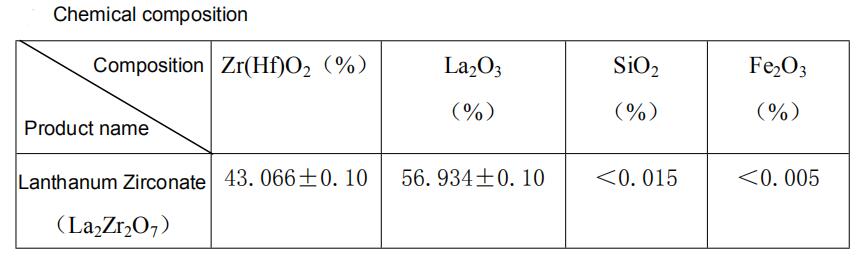
CAS 13450-84-5 Copyright © 2023 Bjx.com.cn All Rights Reserved. Beijing Volcano Power Network Technology Co., Ltd. All Rights Reserved